
The concept of “net zero” – balancing any remaining greenhouse gas emissions with removals, has become a cornerstone of climate pledges worldwide. Over 80% of global emissions are now covered by some form of net-zero target. Nations and corporations alike have announced long-term goals (typically around 2050) to reach net zero emissions.
But are these pledges backed by real action, or are they more illusion than substance?
Recent analyses raise serious doubts: for example, none of the G20 countries are currently cutting emissions at a pace consistent with their net-zero promises. Similarly, studies of corporate climate plans find that many net zero pledges rely on vague future actions or offsets, rather than the deep emissions reductions needed now.
This report provides a fully sourced audit of net-zero claims as of 2025, examining two parallel tracks in climate ambition:
- Part I: National Net Zero Claims – An overview of major countries’ net-zero targets (with a focus on top emitters, vulnerable states, and fossil-fuel economies) and the policy frameworks and progress (or lack thereof) toward those goals.
- Part II: Corporate Net Zero Claims – An analysis of net-zero pledges in key industries (energy, tech, transportation, fashion, finance), scrutinizing their scope, credibility, and alignment with science-based pathways.
- Comparative View: We also compare corporate vs. national climate goals, asking: Are leading companies moving faster than their governments, or lagging behind? Which corporations’ actions align with their country’s climate commitments, and where are there glaring contradictions?
- Credibility Factors: Throughout, we evaluate the quality of offsets, the presence of near-term targets (2030 or earlier), the inclusion of all emissions scopes, and the use of independent verification (e.g. Science Based Targets initiative) as key indicators of whether a net-zero claim is meaningful or merely PR. We highlight interim progress (or lack thereof) between 2020 and 2025, to expose discrepancies between pledged vs. actual emissions trends.
The findings reveal a sobering truth: “Net zero” often risks becoming “net nothing” without real cuts in carbon output. Most major economies and companies are not yet on track to fulfill their lofty net-zero promises… at least not in the timeframe required to avert dangerous warming.
Part I: National Net Zero Claims (Status in 2025)
Over the past five years, a wave of countries – including all major emitters – have announced net-zero emissions targets. As of late 2024, 37% of global greenhouse gas emissions are covered by pledges aiming for net zero around 2050 or sooner, and another 44% of emissions are under net-zero targets for after 2050. In theory, this is a huge step forward: if implemented, these commitments would bend the global emissions curve toward climate stabilization. In practice, however, the ambition of net-zero targets far outstrips the policies in place to achieve them.
To understand this, we examine national net-zero claims in three groups: the top-emitting economies (especially G20 members), climate-vulnerable states pushing for aggressive action, and petrostates or others whose net-zero proclamations are contradicted by ongoing expansion of fossil fuels.
I. Major Emitters and G20 Economies
United States (Net Zero by 2050)
The U.S., the world’s second-largest emitter, formally committed to net zero emissions “by 2050 at the latest” in its long-term strategy submitted to the UNFCCC. This target covers all greenhouse gases and all sectors (though currently excludes emissions from international aviation and shipping). The U.S. goal is not yet enshrined in federal law, it’s an executive commitment under the Biden Administration and Climate Action Tracker (CAT) rates the design of the target as “Average” in comprehensiveness.
2050
U.S. net zero target year (executive commitment, not yet law)
50–52%
Target emissions cut by 2030 vs. 2005 levels (U.S. NDC)
~3°C
Projected warming based on current U.S. policies (Climate Action Tracker)
Positive elements include some transparency on how carbon removals (like forests or technology) factor in, and an acknowledgment that domestic emissions should reach net zero without relying on international offsets. Crucially, U.S. policy action falls short of the net-zero ambition, current implemented policies put the U.S. on an Insufficient track (~3°C world) rather than a 1.5°C-consistent pathway.
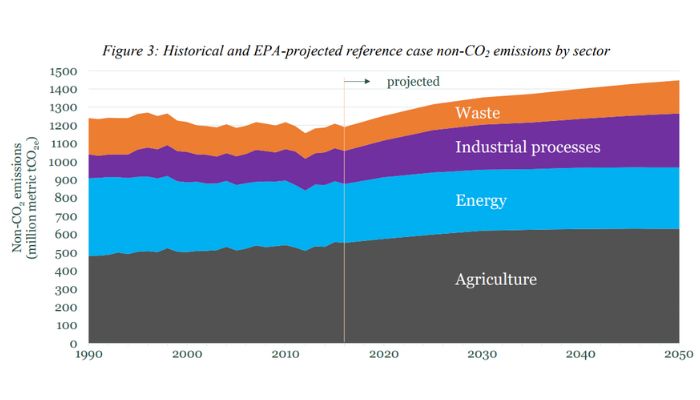
The passage of the Inflation Reduction Act in 2022, which pours hundreds of billions into clean energy, marked significant progress, but the U.S. still lacks a binding carbon law or economy-wide cap. Emissions ticked up in 2021–2022 as the economy rebounded, and the U.S. will need much deeper cuts by 2030 (50-52% below 2005 levels per its NDC) to be on course for 2050 net zero.
China (Carbon Neutrality by 2060)
China, the world’s largest emitter (~30% of global CO₂), announced in 2020 a goal of reaching carbon neutrality by 2060 and to peak CO₂ emissions by 2030. This was a landmark commitment for a developing country.
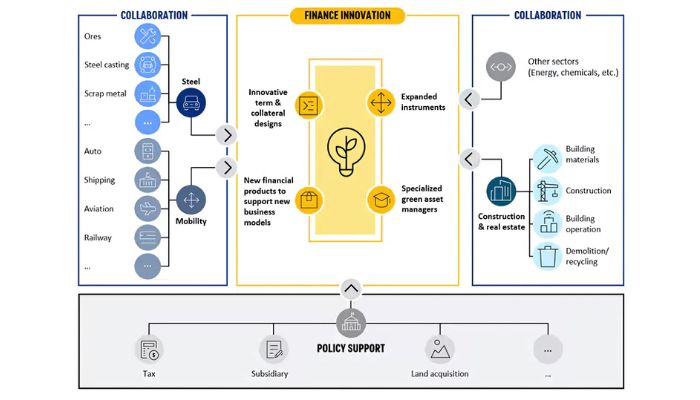
However, carbon neutrality in China’s framing is understood to cover CO₂ by 2060 (with other gases possibly peaking later), and details on scope remain little.
2060
China’s carbon neutrality target year (covers CO₂ only for now)
30%
Share of global CO₂ emissions from China (world’s largest emitter)
“Highly Insufficient”
Rating of China’s climate policies by CAT (not 1.5°C aligned)
China’s target is not yet backed by a comprehensive national law (unlike the EU or UK), though it has been incorporated into mid-century strategy documents and Five-Year Plans. China has ramped up renewable energy at record rates and aims to get 25% of its energy from non-fossil sources by 2030, but it is simultaneously adding new coal plants in the near term. CAT rates China’s policies and action as “Highly Insufficient,” meaning they are not aligned with a 1.5°C pathway despite the long-term pledge.
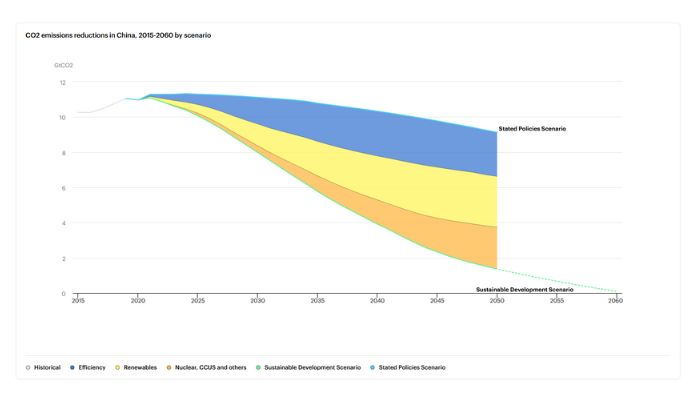
The 2060 carbon-neutral pledge is important, it was the first time China set a hard cap on long-term emissions, but the real work is front-loaded: without a dramatic turnaround in the 2020s, a post-2030 crash in emissions will be extremely difficult. As of 2025, China’s coal-fired power capacity and oil consumption are not yet on the decline, raising doubts about the 2060 goal’s achievability without massive future dependence on carbon capture or offsets.
European Union (Net Zero by 2050, legally binding)
The EU has one of the most robust net-zero frameworks. It adopted the European Climate Law in 2021, which legally binds the EU to reach climate neutrality (net zero GHG) by 2050 and to cut emissions at least 55% by 2030 (vs 1990).
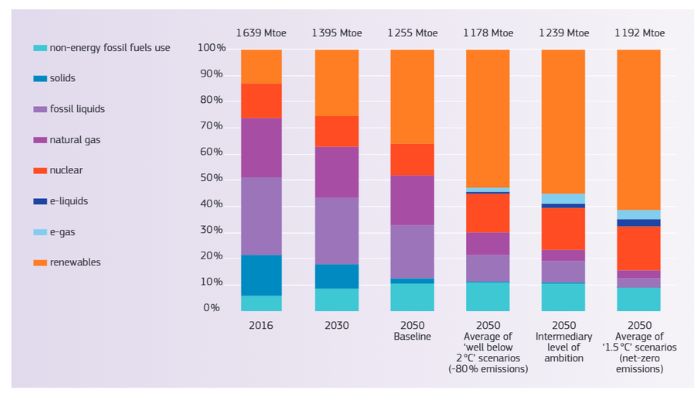
All 27 EU member states collectively share this goal, and it’s backed by detailed policies under the “Fit for 55” package to reform regulations, carbon pricing, renewable energy targets, etc.
2050
Legally binding net-zero target for EU under the Climate Law
55%
2030 emissions cut target vs 1990 levels (shared by all 27 EU countries)
“Acceptable”
CAT rating of the EU’s net-zero target design and ambition
Some EU countries have even more ambitious timelines (e.g. Germany has a 2045 net-zero goal, and Finland 2035, Sweden 2045). As of 2025, EU emissions are on a slow downward trend (about 30% below 1990 as of 2020). However, recent stresses (pandemic recovery and the 2022 energy crisis) led to upticks in coal use in some states, complicating the 2030 trajectory.
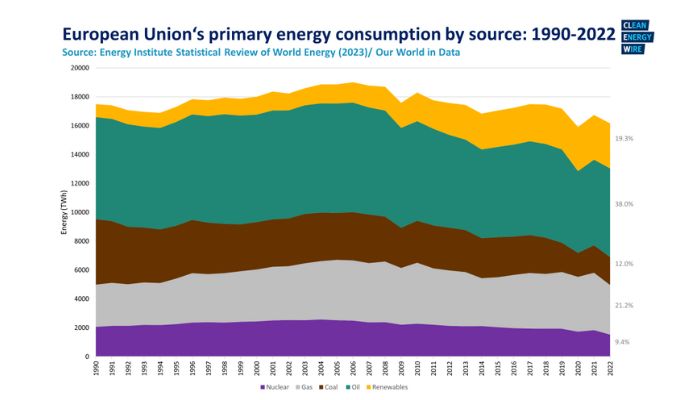
The EU’s policy architecture (emission trading system expansion, coal phase-out plans in countries like Germany, etc.) gives it relatively higher credibility. CAT rates the EU’s net-zero target as “Acceptable” (and its overall climate action as almost sufficient in ambition, though needing stronger implementation).
India (Net Zero by 2070)
India announced a net-zero-by-2070 pledge at COP26 (Glasgow, 2021). As a large developing nation (third-largest emitter), India’s later date reflects its shorter industrialization period and the need for continued economic growth. India’s interim commitments include 50% of electricity from non-fossil sources by 2030 and a 45% reduction in emissions intensity of GDP by 2030 (relative to 2005) – these are part of its updated NDC.
2070
India’s net-zero target year (announced at COP26, not yet law)
500 GW
India’s 2030 renewable energy capacity goal (non-fossil sources)
“Critically Insufficient”
CAT rating of India’s current climate action (not aligned with 1.5°C)
While renewable energy is growing rapidly (India has set a 500 GW renewables goal for 2030), coal use is also expanding to meet energy demand, and India has not set an absolute emission peak year (other than a broad expectation to peak mid-2040s). The net-zero 2070 target is not yet codified in law and largely hinges on future technology and finance. India has argued for significant climate finance and technology transfer from developed countries to accelerate its transition.
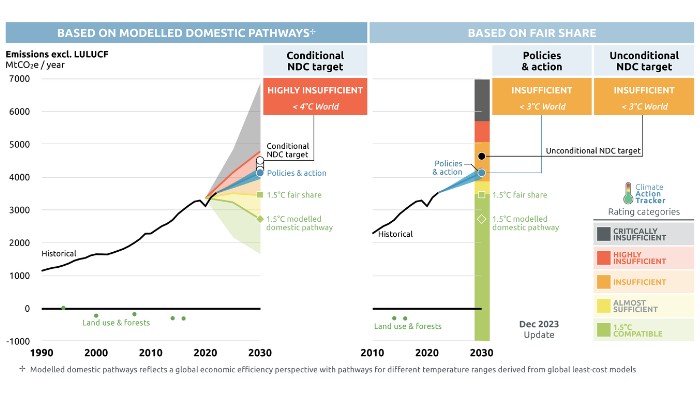
As of 2025, India’s emissions are still rising (though its per capita emissions remain about one-third of the EU’s, for context). Credibility of India’s pledge will depend on long-term planning… currently, its actions are “Critically Insufficient” on a 1.5°C benchmark (CAT rates India’s policies as aligning with >3°C warming) absent a stronger coal phase-down and industrial decarbonization push.
Japan (Net Zero by 2050)
Japan, the world’s fifth-largest emitter, enacted a Carbon Neutrality Law committing to net-zero GHG by 2050. Japan also set a tougher 2030 goal (46% reduction from 2013 levels by 2030) and aims to boost renewables and restart nuclear reactors to cut reliance on coal.
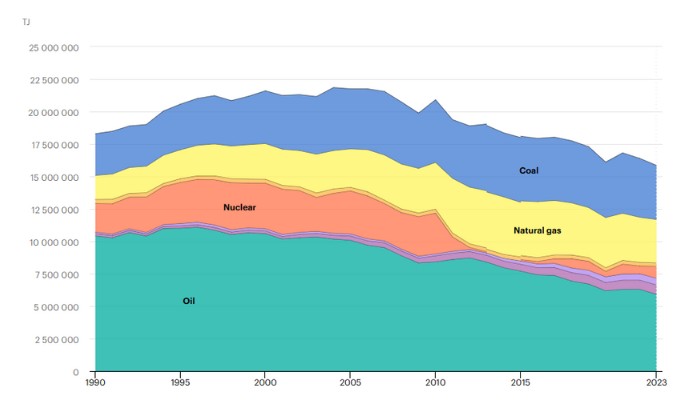
Its net-zero pledge covers all gases and is supported by a detailed strategy (the Green Growth Strategy).
2050
Japan’s legally committed net-zero year (covers all greenhouse gases)
46%
2030 target emission cut vs 2013 levels (backed by energy reform plans)
“Insufficient”
CAT rating of Japan’s climate action (not 1.5°C-aligned yet)
However, Japan continues to use and even build new coal power (with carbon capture or ammonia co-firing in plans) and has been criticized for slow coal phase-out. CAT rates Japan’s climate effort as “Insufficient,” improved since it adopted net zero, but still not fully 1.5°C-aligned in policy. Japan’s emissions have been gently declining and are projected to fall by 2030 if policies are realized, but getting from there to net zero by 2050 will require a dramatic shift (especially in the power and industrial sectors).
Other G20 and top emitters
Russia has a net-zero 2060 “aspiration” announced by President Putin, but it remains extremely vague. Russia’s economy is heavily dependent on fossil fuel exports, and its short-term plans actually project only a small drop in emissions by 2030.
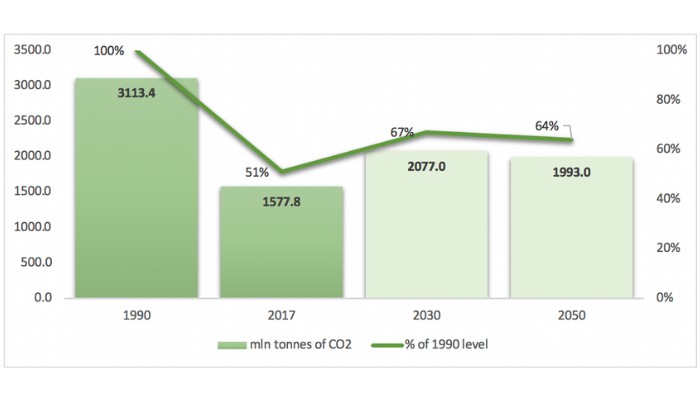
The 2060 goal is not supported by concrete policy; meanwhile, Russia’s geopolitical situation and war in Ukraine make its climate efforts even harder to gauge (and international sanctions on its energy sector add uncertainty).
Brazil pledged net zero by 2050, and under President Lula, there is renewed focus on halting deforestation (Brazil’s biggest source of emissions) by 2030. If Amazon deforestation can be curbed, Brazil’s emissions could fall significantly, lending credibility to its 2050 goal. However, Brazil also is expanding oil production (e.g. offshore drilling plans), which runs counter to its net-zero pledge.
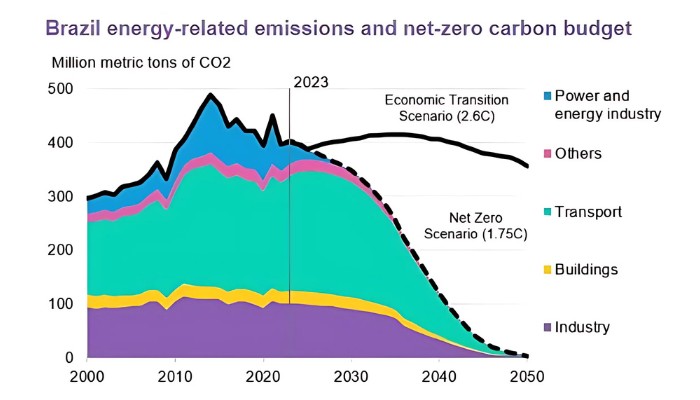
Canada (2050 net zero) passed a Net Zero Accountability Act and has set carbon pricing nationally, but its continued development of oil sands and pipelines raises doubts. Australia (2050 net zero) joined the club in 2021, the new government legislated a 43% cut by 2030, yet Australia still allows new coal and gas projects, testing the sincerity of its pledge.
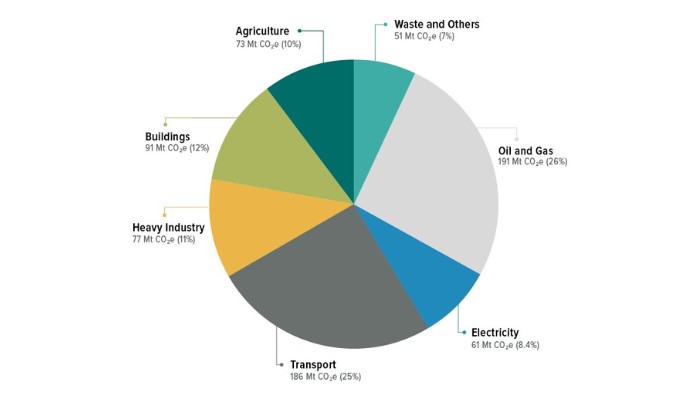
Indonesia (the largest SE Asian emitter) has a 2060 net-zero target, or sooner with international support. Indonesia’s emissions are tied heavily to coal power and deforestation; it has begun a partnership to transition from coal, but its current policies would make emissions rise through 2030 before any decline.
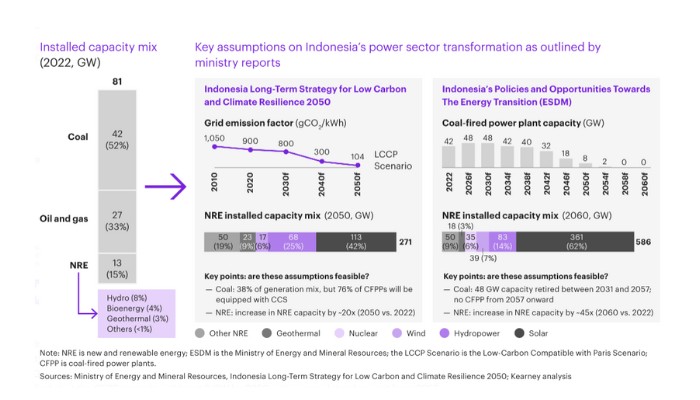
Mexico, Saudi Arabia, South Korea, Turkey, Argentina, South Africa and others have all announced net-zero targets (ranging 2050–2060s), under pressure to align with global goals, but many of these are not yet backed by specific measures. In fact, a 2023 CAT assessment noted not a single G20 government has policies in place consistent with limiting warming to 1.5°C, most have climate plans rated “Insufficient” or worse.
II. Voices from Climate-Vulnerable Nations
While the largest emitters garner the most attention, some of the strongest champions of net-zero goals are the countries most vulnerable to climate change. These nations often adopt ambitious targets to spur global action (usually conditional on support), highlighting the disparity between those who emit the most and those who suffer first.
For example, the Maldives – a low-lying island nation acutely threatened by sea-level rise – has pledged to reach net-zero by 2030, if sufficient international aid is provided. This reflects a survival imperative: the Maldives and other coral atoll nations (like Kiribati, Marshall Islands) face existential risk from climate change, so they have championed the 1.5°C limit and pushed wealthy countries to decarbonize faster.
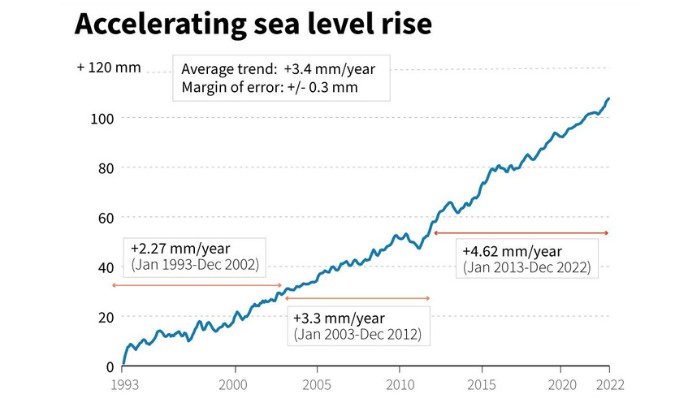
The Maldives’ own emissions are negligible (0.00% of global GHG), yet it is willing to leap ahead to net-zero as a moral example, provided it receives green investment to transition its energy and protect its people.
Bangladesh, similarly, has indicated an intention to reach net-zero around 2050, despite its very low per capita emissions. Bangladesh’s current NDC aims for a 22% reduction below business-as-usual by 2030 (with international support), and the country’s leaders have discussed visions of carbon neutrality by mid-century in the context of global equity and receiving climate finance.
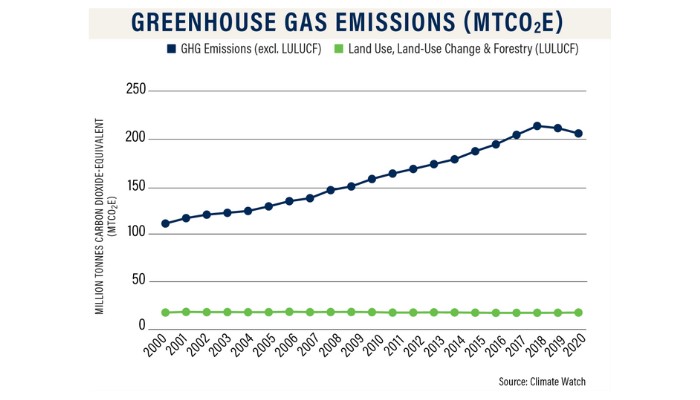
In Africa, Kenya announced a target to reach net-zero emissions by 2050. Kenya has relatively low emissions but high renewable energy potential (already ~90% of its electricity is from renewables, mostly geothermal and hydro).
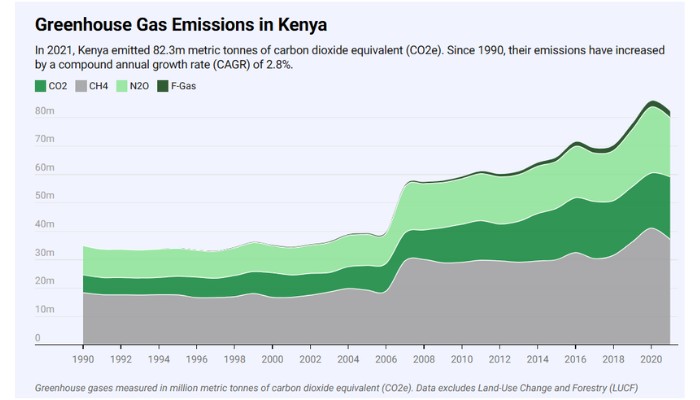
The Kenyan government released a Long-Term Strategy aiming for net zero 2050, contingent on international climate finance.
Ethiopia too has a vision for net zero around 2050-2060 if supported. Many African nations emphasize that their net-zero timelines depend on development needs and external assistance, but they also note the injustice that they must adapt to climate impacts largely caused by others.
III. Petro-States and “Net Zero” Oil: Big Claims, Small Action
Some of the most sceptically viewed net-zero pledges come from major oil-and-gas-producing nations, which have announced long-term net zero targets even as they continue to invest heavily in fossil fuel expansion. These include Gulf states like the United Arab Emirates (UAE) and Saudi Arabia, as well as countries like Russia (mentioned) and Nigeria. Critics question whether these pledges are net zero or just net zero credibility, given their apparent intent to pump every barrel possible in the meantime.
United Arab Emirates
The UAE has pledged to reach net zero by 2050, the first OPEC nation to do so. It has positioned itself as a climate leader in the Gulf, even hosting the COP28 climate summit in 2023. UAE officials emphasize massive investments in renewable energy (like solar and nuclear domestically, and renewables projects abroad) and technologies like hydrogen.
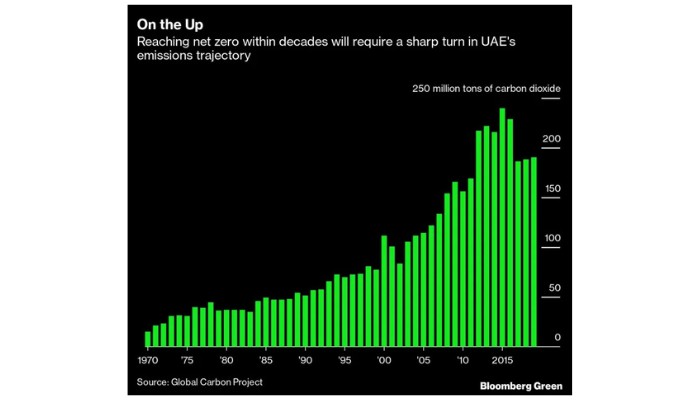
However, the UAE’s state oil company, ADNOC, concurrently has huge plans to expand oil and gas production this decade, plans which are blatantly incompatible with a 1.5°C pathway. The president of COP28, Sultan Al Jaber, is incidentally the CEO of ADNOC, a fact seen by many as a stark conflict of interest, as ADNOC’s plans would “blow the carbon budget” consistent with net zero goals.
Saudi Arabia
Saudi Arabia has declared it will reach net zero by 2060. This pledge, made in 2021, surprised some given the Kingdom’s heavy reliance on oil revenues. Saudi Arabia says it will primarily address emissions from its domestic activities (power, industry, etc.), and it plans a huge rollout of renewables (50% of power by 2030) and some use of carbon capture.
Crucially, Saudi’s net-zero target excludes emissions from the combustion of oil it exports… in other words, the Scope 3 emissions of Saudi oil burned around the world are not counted in its pledge
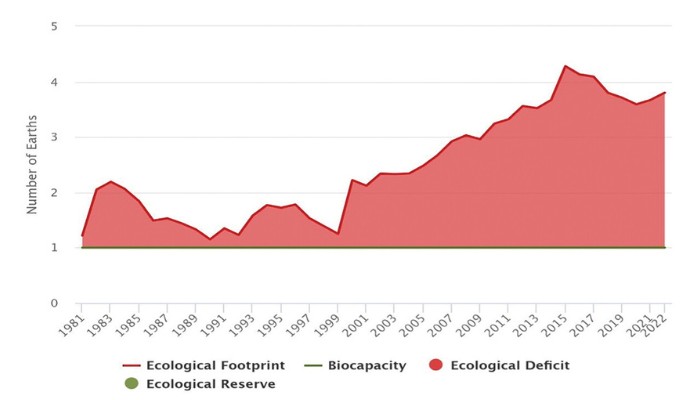
State-owned Saudi Aramco, the world’s largest oil company, has its own “net zero by 2050” goal for operational emissions (Scope 1 and 2), but this ignores the roughly 85–90% of lifecycle emissions that come from customers burning the fuels. In effect, Saudi Arabia’s strategy is to keep producing oil as long as there is demand, even increasing capacity (Aramco is expanding oil production to ~13 million barrels/day and investing in new gas fields).
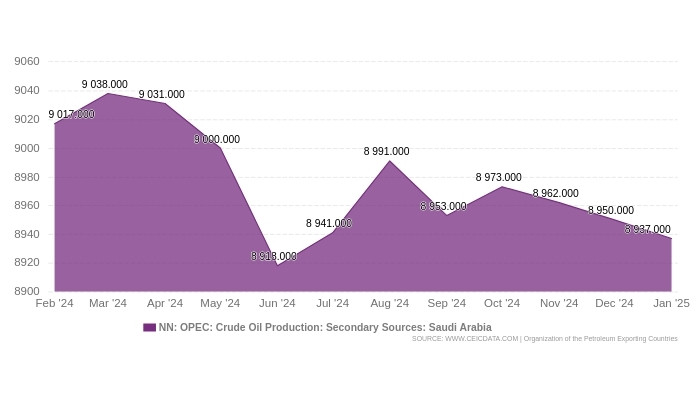
The 2060 net-zero announcement has not yet translated into a robust implementation plan, it appears more as a long-term vision with hope that technologies like carbon capture, utilization, and storage (CCUS) or hydrogen will one day mitigate Saudi emissions. Meanwhile, Saudi Aramco projects its own Scope 3 emissions (over 500 million tonnes CO₂ annually) will continue unless importing countries cut oil use.
Russia, Turkey, and Indonesia
Russia (net zero 2060) falls in a similar bucket, a major fossil exporter with plans to exploit more oil and gas (especially pivoting to Asia) and only a vague net-zero aspiration.
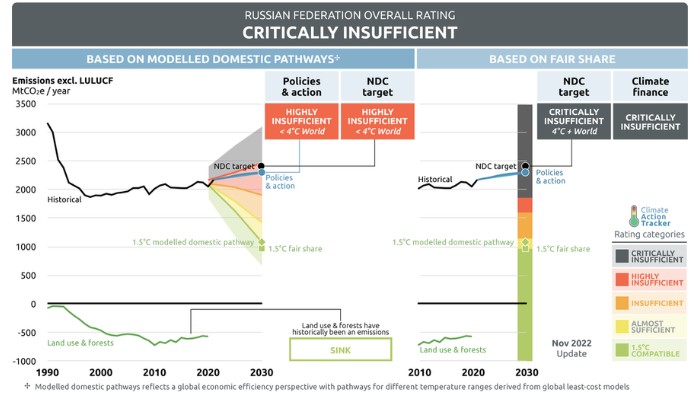
Turkey (2053) and Indonesia (2060) also plan significant coal and oil/gas development respectively, making their net-zero targets appear more performative without a change in near-term trajectory.
For instance, Turkey, Russia, and Saudi Arabia are all on track for rising emissions in the 2020s when they should be turning downward. These countries often use optimistic language about future measures (e.g. hydrogen economy in UAE, direct air capture in Saudi, forestry in Russia) but currently are doubling down on fossil fuels.
Part II: Corporate Net Zero Claims
Moving from nations to the private sector, we find a similarly mixed picture. In the wake of the Paris Agreement, hundreds of large corporations announced net-zero targets, often aiming for dates like 2030, 2040, or 2050. By 2023, over one-third of the world’s 2,000 largest companies had some form of net-zero goal. Sectors from Big Tech to Big Oil, finance to fashion, all proclaim intentions to zero out their carbon footprint.
The key questions are:
What emissions are included?
By when?
And how, through actual cuts or offsets?
A comprehensive study by the NewClimate Institute in 2023 assessed 24 major companies renowned for climate pledges, and found that the vast majority of these corporate net-zero strategies are highly ambiguous or inadequate. In fact, only 5 out of 24 companies’ long-term pledges reflected a commitment to deep decarbonization; the rest were undermined by exclusions or vagueness. Strikingly, these 24 companies on average planned to reduce just ~15% of their emissions by 2030 (or at most 21% under optimistic assumptions), whereas a ~43% reduction by 2030 is needed globally for a 1.5°C pathway.
Below we examine corporate net-zero claims in key industries, highlighting specific examples.
I. Energy (Oil & Gas and Utilities)
The oil and gas sector is ground-zero for the net-zero debate. These companies produce the fuels that drive climate change, so their climate pledges are under intense scrutiny. Many European oil majors have announced net-zero 2050 targets (for at least Scope 1 and 2, sometimes Scope 3), while U.S. and national oil companies have been more limited.
Shell (UK/NL)
Claims net zero emissions energy business by 2050, including Scope 3 (use of products). Shell touts interim goals (e.g. 20% reduction in net carbon intensity by 2030, 45% by 2035) and says it will cut absolute emissions from the energy it sells by 2050. In 2023, Shell softened its 2030 target: it now aims for only 15–20% reduction in the net carbon intensity of its energy products by 2030 (versus 2016), down from 20% previously.
Measuring intensity (per unit energy) means Shell can sell more oil and gas as long as it also sells more renewables or buys offsets, potentially increasing absolute emissions. Notably, a Dutch court in 2021 ordered Shell to cut its overall emissions 45% by 2030 (including Scope 3) in line with Paris goals, calling Shell’s existing plan insufficient; Shell is appealing that ruling.
ExxonMobil and Chevron (USA)
These companies have not pledged full net zero for their value chains. ExxonMobil in 2022 set a goal to achieve net-zero operational emissions by 2050 (Scopes 1+2 only), but explicitly excluding Scope 3 (which for Exxon is ~90% of total emissions).
Chevron has a similar approach, aiming for net zero upstream operations by 2050, but not the emissions from burning the fuels it sells.
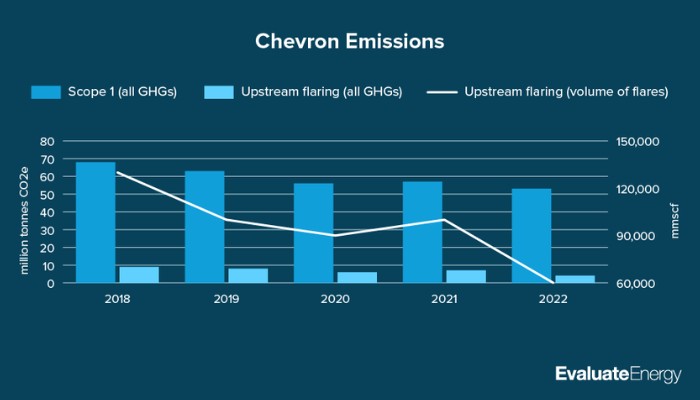
Essentially, U.S. oil majors plan to clean up their refineries and drilling (through efficiency, maybe carbon capture for facility emissions), but continue producing oil and gas indefinitely for use in transportation, power, and industry by others. Exxon’s own reports project rising global oil/gas demand for decades, and it is investing in new fields (e.g. in Guyana, Permian Basin). Both Exxon and Chevron have resisted setting Scope 3 targets, arguing that it’s the responsibility of end-users or governments to curb demand.
Exxon’s pledge has been called out as greenwashing: for a company that produces ~4 million barrels of oil equivalent per day, reaching net zero without tackling product emissions is largely symbolic. Their trust score is very low. Notably, both companies have faced shareholder and activist pressure (e.g. Engine No.1’s campaign at Exxon) to do more; however, following oil price spikes in 2022, they doubled down on fossil investment.
BP, TotalEnergies, Eni, etc. (Europe)
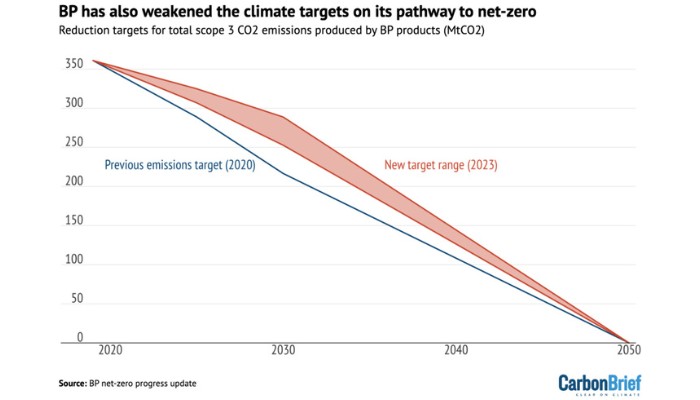
European oil companies have more expansive pledges including partial Scope 3 coverage. BP (UK) set a 2050 net-zero target including ~40% of its Scope 3 (the portion from products it sells directly), and aimed to cut oil and gas production 40% by 2030.
However, in 2023 BP walked back some ambitions, now planning a smaller production cut (~25% by 2030) citing energy security needs.
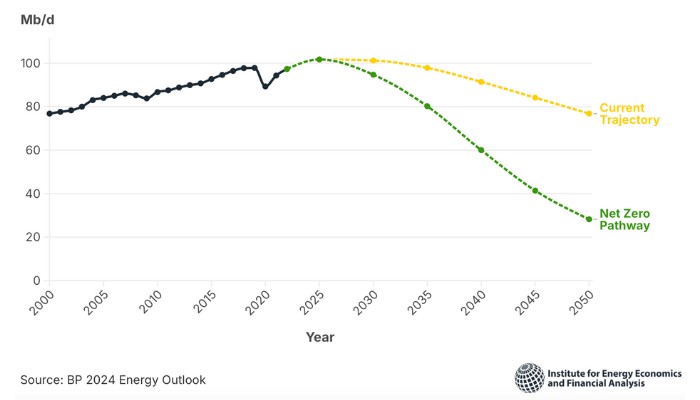
TotalEnergies (France) says net zero by 2050 globally (including Scope 3 for its sales in Europe and 50% reduction elsewhere), an oddly partial approach, effectively net zero for emissions under European jurisdictions, but not all countries. It is expanding gas production even as it adds renewables.
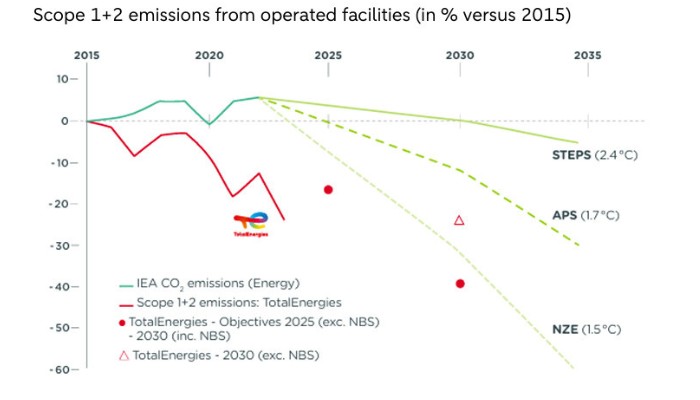
Eni (Italy) and Repsol (Spain) also have 2050 net-zero plans including most emissions and have modest 2030 intensity targets.
A Nature study in 2022 found that oil companies often choose low-quality offsets: up to 87% of offsets used by major companies are at high risk of not delivering real climate benefit. These cheap credits (like avoided deforestation projects under voluntary standards) frequently do not represent true additional carbon reductions. This means an oil company could claim “net zero barrels” by buying such credits, while the atmosphere sees no net reduction, a phenomenon critics dub “carbon neutrality con”.
Saudi Aramco, UAE’s ADNOC, Russia’s Gazprom, etc.
Many NOCs hide behind their governments’ targets. As noted, Aramco (Saudi) has an ops-only net zero 2050 pledge. ADNOC (UAE) announced in 2023 it aims for net zero operations by 2045 and zero methane by 2030, etc., but again excluding the burning of the oil/gas it sells. These companies are often the least transparent.
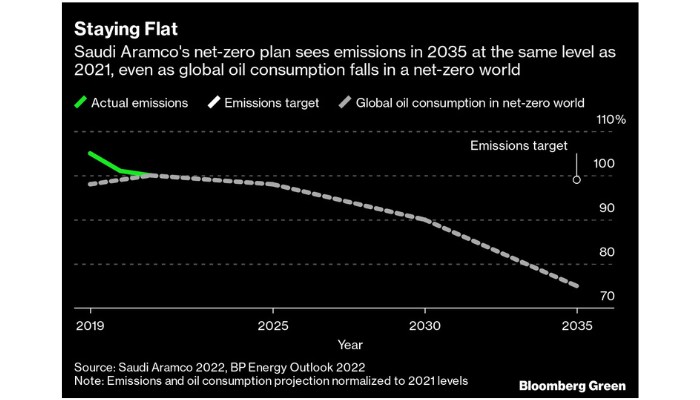
According to a Climate Tracker report, Aramco ranks last among big oil companies on climate targets because it omits scope 3 entirely.
Utilities/Power companies
Many electric utilities have net-zero by 2040–2050 goals for their generation portfolios. They deserve mention, as decarbonizing power is vital. In the US, firms like Duke Energy and Xcel target net zero 2050 (with interim ~80% cuts by 2030–2040). They do plan large shifts to renewables but often still invest in new gas plants, assuming future CCS or offsets for remaining emissions.
In Europe, major utilities (Enel, EDF, Ørsted) have more ambitious trajectories, e.g. Denmark’s Ørsted (formerly an oil/gas company) already cut carbon intensity ~87% by shifting heavily to offshore wind, and aims net zero 2025 (incl. scope 2) and full scope 3 by 2040.
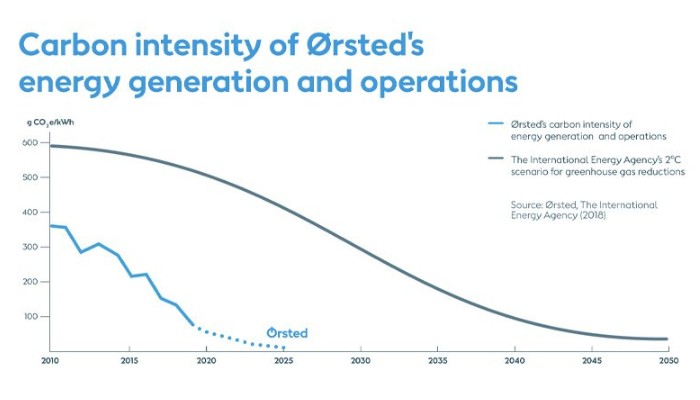
Coal-heavy utilities in Asia (China’s Huaneng, India’s NTPC) have announced 2060–2070 net zeros aligned with national targets but are only slowly piloting clean energy.
II. Technology Sector (ICT and Electronics)
Big Tech companies (Apple, Microsoft, Google, Amazon, Meta, etc.) were early adopters of net-zero or “carbon neutral” goals, often setting targets for 2030 or sooner. Their motivation is partly ethos and partly stakeholder pressure, and since their direct emissions are relatively small (mostly electricity for data centers and offices), it is easier for them to address.
Microsoft
Microsoft stands out with one of the boldest commitments: carbon negative by 2030 (meaning it will remove more CO₂ than it emits) and by 2050 remove all the CO₂ the company has ever emitted since its founding in 1975. Microsoft’s strategy includes an internal carbon fee (charging its business units for emissions), purchasing 100% renewable electricity (already achieved in the US and many operations), and crucially, investing in carbon removal.
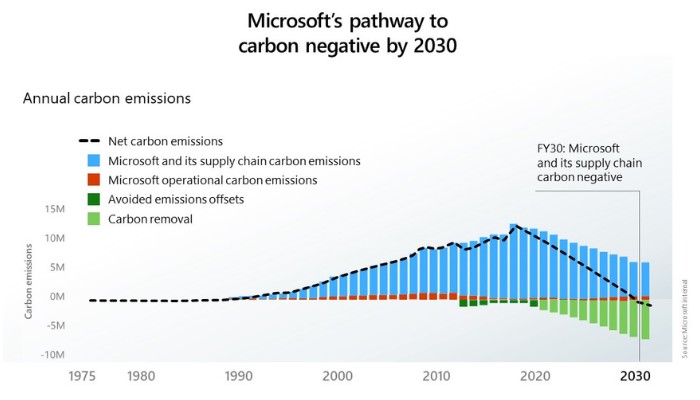
Microsoft’s emissions profile: its Scope 1+2 (offices, data centers) is mostly managed with renewables; Scope 3 (supply chain, product use) is the big challenge. The company reported that its total emissions peaked in 2020–2021 and then slightly decreased (around 16.5 million tCO₂e in 2021, slightly down in 2022). Microsoft’s plan is verified by the Science Based Targets initiative (SBTi) and is considered one of the more credible, though it’s not without challenges, notably, ensuring the quality and scalability of removal projects to fulfill its promises.
Google (Alphabet) has been carbon-neutral for its operations since 2007 (via offsets) and uses 100% renewable energy since 2017 (by purchasing renewables equivalent to its consumption). Google’s next ambition is to run on 24/7 carbon-free energy by 2030 for all data centers – meaning every hour, every location, powered by clean sources (not just annual offsets).
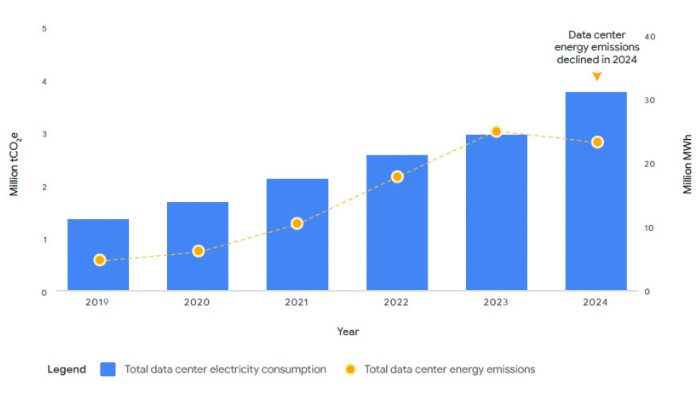
Google also said it will net zero across its value chain by 2030. Like Microsoft, Google’s Scope 3 (manufacturing of devices, employee commuting, etc.) is bigger than Scope 1+2. Google is investing in renewables and some carbon removal. So Google’s credibility is relatively high too, though a lot rides on achieving 24/7 clean energy (which depends on grids greening and advances in storage).
Apple
Apple has already been carbon neutral for its own operations (Scope 1+2) for a few years and runs on 100% renewable electricity. It has committed that by 2030, every Apple product sold will be carbon neutral, meaning it will slash emissions across manufacturing, transport, use, and offset the remainder (mostly through investments in forests and clean energy).
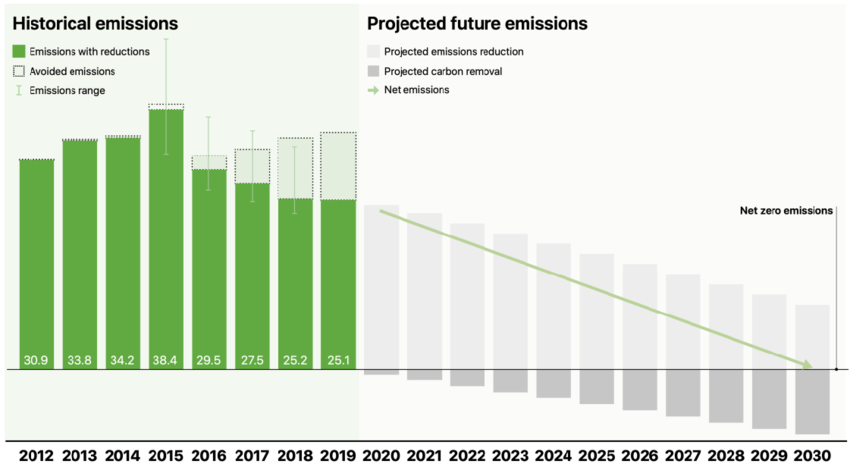
By 2030 Apple aims to reduce emissions 75% from its 2015 baseline for the whole value chain, and offset the last 25% via nature-based projects. Apple’s current emissions have been trending downward even as sales grow: it reported a 40% reduction in carbon footprint since 2015. Independent analysts rated Apple’s climate strategy as one of the more comprehensive.
Amazon
Amazon, as an e-commerce and cloud giant, has a massive and growing carbon footprint (72 million tCO₂e in 2021, up ~40% from 2019) due to its global shipping, data centers, and products. Amazon pledged net zero by 2040 as part of its self-created “Climate Pledge” (which now 400+ companies have signed), and a 50% reduction by 2030.
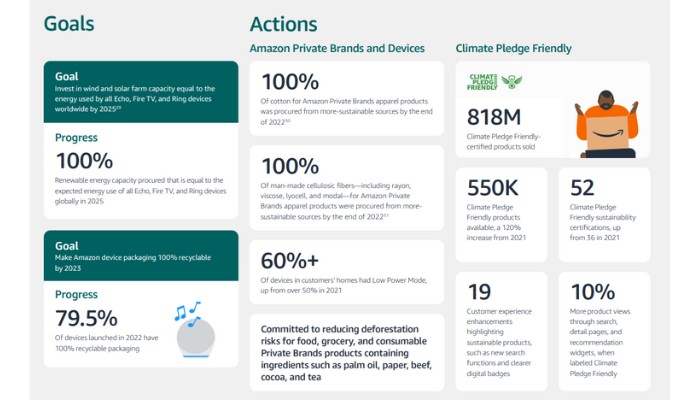
It is investing in electrifying its delivery fleet (ordering 100,000 EV vans), deploying renewable energy (it’s now one of the largest corporate buyers of renewables), and efficiency in packaging.
However, Amazon’s emissions rose sharply in recent years because its business volumes exploded (especially during the pandemic). Although its carbon intensity per dollar sales improved, absolute emissions went up, something Amazon says will level off and reverse as initiatives take hold. Amazon also relies on offsets for any remaining emissions; it launched a $2 billion climate fund but has been quieter about offset plans.
Meta (Facebook)
Meta claims it will reach net zero for its value chain by 2030. Already, Meta’s operations (data centers, offices) are powered by 100% renewables and are net zero (they offset fuel use, etc., making operations carbon neutral since 2020). The big challenge is Scope 3 – mostly manufacturing of servers and devices, and user device energy use.
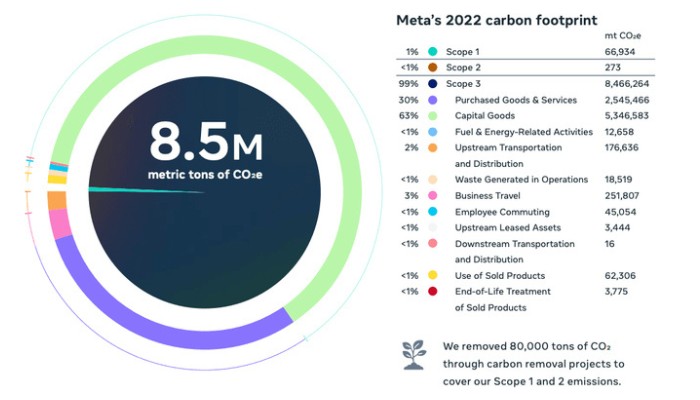
The big challenge is Scope 3, mostly manufacturing of servers and devices, and user device energy use. Meta has faced the fact that its Scope 3 emissions are still rising as its services expand. Meta also funds some nature-based offsets (e.g. forest conservation in Africa) and recently invested in direct air capture. But there is uncertainty: if its emissions keep increasing through 2027 or so, it will have to offset a large amount to hit net zero by 2030.
III. Transportation: Shipping, Automotive, Aviation
Transport industries are significant emitters and face unique challenges in reaching net zero (due to reliance on fuels with high energy density). Let’s break down a few:
Maritime Shipping (Maersk and others)
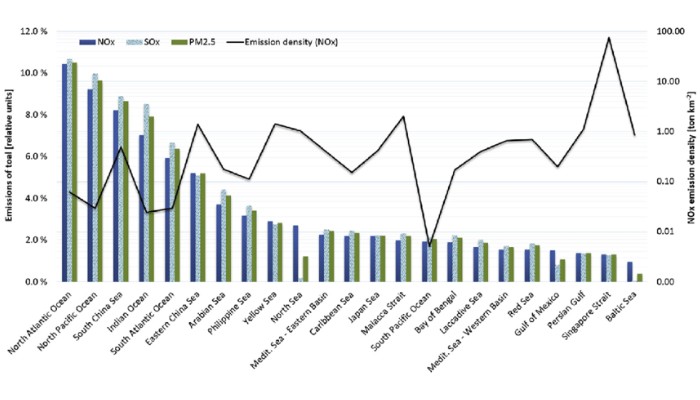
Global shipping emits ~3% of CO₂. The industry goal (International Maritime Organization) was recently updated to target net zero “by or around 2050,” with at least -20% emissions by 2030 and -70% by 2040 (vs 2008).
Maersk (Denmark), one of the world’s largest container shipping lines, accelerated its target to net zero by 2040 across all operations. It has also set concrete 2030 goals: cut fleet emissions intensity 50% and achieve 35%–50% absolute emissions reduction (depending on growth) by 2030.
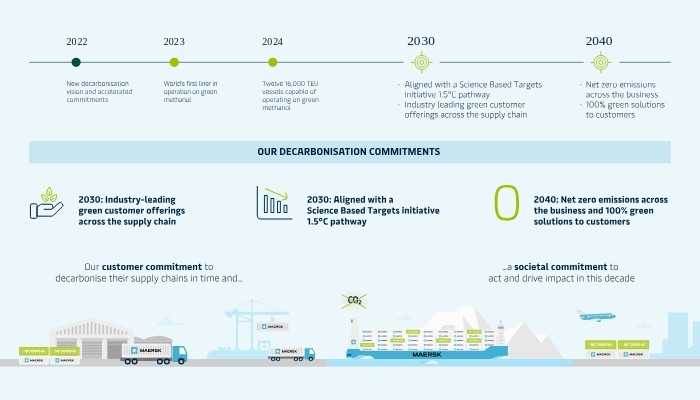
Importantly, Maersk’s net-zero target covers Scope 3 (e.g. emissions from the ships it charters and from suppliers), not just the ships it owns. To execute this, Maersk is investing heavily in green fuels – it has ordered multiple new ships that run on green methanol (produced from renewable energy) with the first delivered in 2023. It’s also exploring ammonia fuel. By 2024–25, Maersk will have a dozen carbon-neutral vessels in operation, a world-first.
Automotive
The auto sector’s path to net zero is primarily through electric vehicles (EVs) replacing combustion engines, along with clean supply chains. Many automakers have announced end-dates for selling gasoline/diesel cars (for instance, GM aims for 100% zero-emission new vehicles by 2035, VW by 2035 in Europe, etc.).
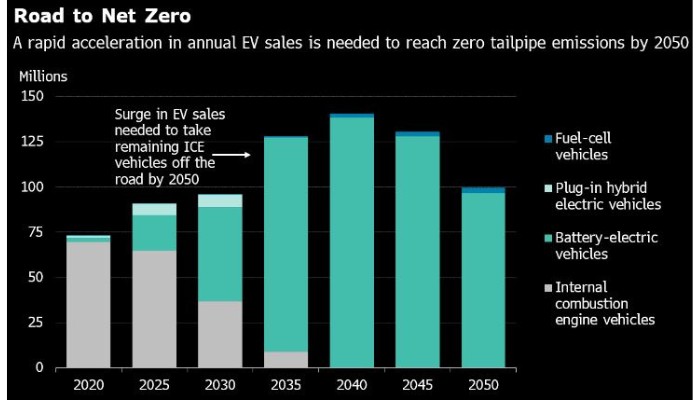
BMW targets climate neutrality by 2050 (and 2030 goals of -50% per vehicle CO₂ emissions vs 2019). Mercedes-Benz aims for net-zero 2039 (a weirdly specific but ambitious timeline, referring to a fully carbon-neutral new car fleet by 2039). GM and Ford have 2050 net-zero pledges covering their operations and products (with interim EV sales targets for 2030s). Many of these are aligned with the fact that countries (EU, UK, California, etc.) are mandating 100% zero-emission vehicle sales from 2035 or so, effectively forcing their hand.
The credibility of automakers’ net-zero claims lies in their EV rollout and decarbonizing manufacturing. In 2021, only a few percent of sales were EVs globally, but this is rising fast (14% in 2022). Companies like Tesla are already effectively aligned with a net-zero vision as they only sell EVs (Tesla’s own operations are not net zero yet, but it buys renewable energy and will likely offset remaining emissions).
Traditional automakers have varying degrees of seriousness. For example, Volkswagen (including Audi, Porsche, etc.) has committed to net zero 2050 and a 40% emissions cut by 2030; it’s investing tens of billions in EVs and batteries and is part of SBTi. VW, however, was called out by NewClimate as one whose net-zero claim may be misleading.
Aviation (Airlines & Aerospace)
Aviation is one of the hardest sectors to decarbonize due to the weight/energy needs of planes and lack of viable electric or hydrogen solutions for long-haul flight (so far). The industry body IATA adopted a 2050 net zero goal for global aviation. This assumes a mix of measures: ~65% emissions reduction from Sustainable Aviation Fuels (SAF) (biofuels or synthetic fuels that are low-carbon), ~13% from new tech (like hydrogen or electric for short hops, maybe some radical new engines), and the rest ~19% from offsets and carbon capture to deal with residual emissions.
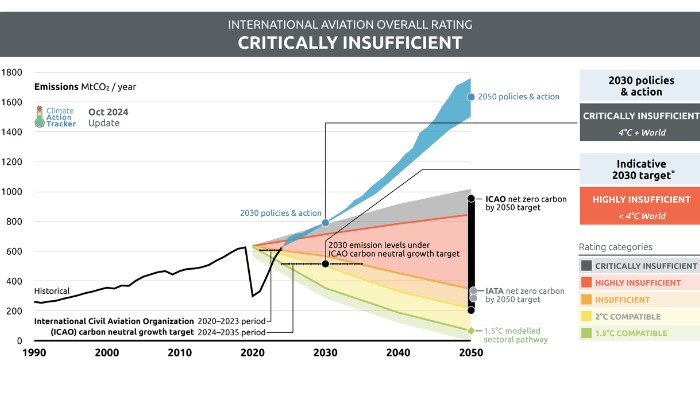
Airlines like American, United, Delta (US) and BA, Air France, Lufthansa (EU) have all announced 2050 net-zero targets. They are investing in SAF startups and committing to buy millions of gallons of SAF by 2030. United even set up a venture fund for novel propulsion. But current actions won’t significantly bend their emission curves this decade – flying demand is rebounding strongly post-COVID, and efficiency gains in aircraft (~1-2% per year) are overwhelmed by traffic growth.
On the manufacturing side, Boeing and Airbus both support the 2050 net-zero aviation goal. Airbus is developing a hydrogen plane concept for 2035, and Boeing invests in more efficient designs. Yet their own operations are a small fraction, the big issue is the fuel their planes burn over decades of service. Rolls-Royce, GE (engine makers) are working on engines that could run on 100% SAF or hydrogen. These technical efforts are sincere but uncertain in timing.
IV. Fashion & Retail
The fashion industry, especially fast fashion, has come under fire for significant environmental impacts including emissions (estimated 2–4% of global CO₂) and waste.
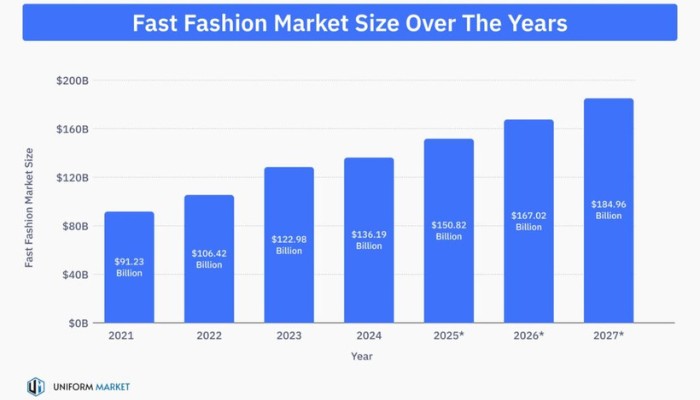
Many big brands have adopted climate targets, but the sector is rife with greenwashing concerns, as sustainability marketing often outpaces actual change.
H&M Group
H&M has pledged to become climate positive by 2030, meaning it aims not just for net zero but to remove more emissions than it produces. It set interim targets for 2030 (e.g. -56% absolute emissions for its own operations and -whatever% per product for supply chain). H&M’s strategy includes increasing use of recycled materials, renewable energy in its supply chain, and funding offsets for any remaining emissions beyond reductions. In independent analysis, H&M was rated as having a “moderate” integrity climate strategy.
Inditex (Zara)
Inditex announced a target to reach net zero by 2040. It also aims for 100% renewable electricity in operations by 2022 (likely achieved) and to cut Scope 3 emissions (mostly manufacturing and raw materials) by ~20% by 2030. Inditex’s plan is less detailed publicly; it focuses on efficiency, sustainable materials, and some offsetting. In the NewClimate/CMW evaluation, Inditex and Fast Retailing (Uniqlo) were flagged as companies making net-zero claims but with climate strategies that amount to very limited reductions.
Nike, Adidas, Puma
Athletic wear brands have also set climate targets. Nike targets net zero by 2050 and 100% renewable energy by 2025 in owned operations, 50% reduction in supply chain emissions by 2030, etc. Adidas similarly aims for climate neutrality by 2050 and a 30% reduction by 2030. These brands have more control in design and material innovation (e.g. Nike is investing in lower-carbon materials, Adidas did a lot on recycled plastic).
They have started engaging suppliers in Vietnam, China to use biomass or solar instead of coal, but progress is incremental. At least these companies tend to be transparent in sustainability reporting. They haven’t been singled out for greenwashing as much as H&M or fast fashion… possibly because their business model (sportswear) is slightly less disposable trend-driven, and they invest in R&D.
V. Finance (Banks, Investors, and Insurance)
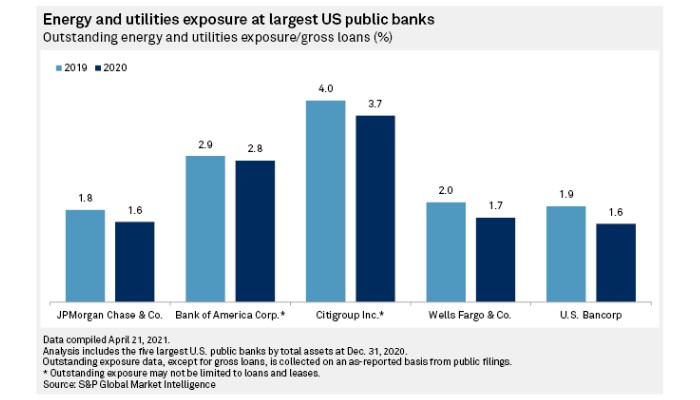
Big banks continue to finance fossil fuels heavily. A report by a coalition including Rainforest Action Network found that since the Paris Agreement (2016–2022), the world’s 60 largest banks poured $4.6 trillion into fossil fuel companies. As of 2024, that total reached $6.7 trillion over 9 years. In 2024 alone, 65 top banks provided $869 billion in financing to fossil fuel companies, a rise compared to previous years.
BlackRock, the world’s largest asset manager, joined the net-zero club and CEO Larry Fink made waves about climate risk is investment risk. Yet BlackRock still holds massive coal, oil investments and has often voted against climate resolutions calling for quicker action. Facing political backlash in the US over “ESG”, BlackRock in 2023 downplayed some of its climate emphasis, insisting it will continue to invest in fossil fuels where profitable.
HSBC (UK) pledged net-zero financed emissions by 2050 and has stopped financing new coal power. It still, however, finances oil/gas expansion (though it announced in 2022 it would no longer finance new oil/gas fields either – after pressure).
JPMorgan (US), often the #1 fossil financier, says it supports Paris goals and has a 2050 net-zero pledge, but its interim 2030 targets for oil, gas, and power sector emissions intensity were criticized as weak. It also reportedly considers higher-emission scenarios in its strategies. In practice, JPMorgan has actually increased fossil lending in some years (as noted above).
Comparing Corporate and National Pathways
A key insight from this audit is that corporate and national net-zero efforts are interdependent yet often misaligned. Companies operate within national policy frameworks, strong government action can enable deeper corporate cuts (through standards, carbon pricing, clean energy infrastructure, etc.), while corporate innovation and lobbying (or lack thereof) can accelerate or hinder national ambition.
Some notable comparisons and contradictions are following.
I. Timeline mismatches
In certain cases, corporations are racing ahead of their countries’ goals. For example, Microsoft’s 2030 carbon-negative target far outstrips the ambition of the U.S. national target (2050). Microsoft will effectively eliminate its emissions two decades earlier than the U.S. as a whole aims to, demonstrating greater urgency. Similarly, Maersk’s 2040 net-zero date precedes the EU’s 2050 deadline and Denmark’s 2050 goal, essentially aligning with a 1.5°C trajectory more than some governments.
These leaders show it’s possible (and arguably beneficial) to move faster than regulation requires, often reaping innovation gains and reputational benefits. On the other hand, many companies target 2050 simply because that’s the norm, even if their home country is poorer or less emitting and could strive for earlier.
II. Companies lagging national pledges
The flip side is common in fossil-fuel-heavy sectors. For instance, the United States aims for net zero by 2050 covering the entire economy, but major American oil companies (Exxon, Chevron) have no intention to reach net zero on the full scope of their emissions by 2050.
In effect, these companies’ lack of action shifts burden onto other sectors or onto the government to intervene. Another example: Australia’s net-zero 2050 pledge vs. its largest mining companies. BHP and Rio Tinto have 2050 operational net-zero goals, but the emissions from the coal and iron ore they sell (often exported) are not fully addressed, they rely on steelmakers to clean up later, which may not happen in time.
III. Policy mandates vs voluntary action
In the EU, many companies’ net-zero pledges essentially mirror the requirements of law – e.g. European utilities or manufacturers pledge net zero by 2050 because the EU law says the economy must. In that sense, some corporate pledges are not so much voluntary leadership as compliance signaling. The real question becomes: are they on track to meet nearer-term national mandates (like the EU’s 2030 55% cut)? Often not fully – e.g. Germany’s industry is behind on 2030 targets, meaning either they catch up or government enforces more.
Conversely, in countries with weaker policy, corporate pledges might mean more. For example, U.S. federal policy under the Trump administration (2017–2020) was rollbacks, yet many U.S. companies kept their Paris-aligned targets. States and corporates filled some of the void. Now with stronger policy (IRA), those targets are easier to realize. In some emerging economies, corporations (especially multinationals operating there) can push the envelope beyond what local regulations demand, effectively helping the country decarbonize faster.
A specific metric:
Are corporate targets more ambitious than their country’s NDCs? Often yes for leaders – e.g. Amazon 2040 vs USA 2050, Unilever 2039 vs UK 2050, Maersk 2040 vs Denmark/EU 2050, Honda 2050 vs Japan 2050 (same), etc. But ambition on paper must translate to cuts. In many cases, corporate and national interim targets both fall short of what’s needed by 2030.
IV. Which companies are aligned with their country’s climate goals?
If we interpret “aligned” as having targets and actions consistent with delivering the country’s fair share of Paris goals: companies like Ørsted (net zero 2025, way ahead of Denmark 2050), Iberdrola (Spanish utility aggressively decarbonizing in line with Spain/EU goals), Google (as discussed), or Tesla (its product is the transition).
In contrast, companies whose pledges undermine national goals: Adnoc expanding oil while UAE hosts COP and has 2050 goal, Coal India massively mining coal while India says it’ll reach net zero 2070, or Toyota lobbying against EV regulations even as Japan claims climate leadership. These misalignments are often resolved only by policy force or international pressure.
Credibility of Net-Zero Pledges
Throughout the analysis, several recurring factors determine whether a net-zero claim is believable or not. Here we distill those credibility criteria.
I. Reliance on Offsets vs. Actual Emissions Cuts
This is perhaps the biggest red flag. If a net-zero plan leans heavily on carbon offsets instead of reducing one’s own emissions, its integrity is questionable. Offsets, especially cheap ones from voluntary markets – have a history of not delivering the climate benefits claimed. A 2024 peer-reviewed study found that for major companies using offsets, 87% of the offsets came from project types with a high risk of not representing real reductions. In other words, most offsets purchased were likely low-quality, cheap offsets that do little for the atmosphere.
SBTi’s Net-Zero Standard requires companies to cut 90-95% of their emissions outright, offsets can be used only for the residual and should be additional carbon removals. The reason is clear: if everyone relies on offsets, we’d need removal or avoided emissions elsewhere at huge scale, but we’re all drawing from the same well.
Real climate solution means absolute global emissions must drop, not just be reshuffled. Thus a net-zero pledge is credible only if the entity commits to minimize offset use, and any offsets are high-quality. Many current pledges fail this test, they use phrasing like “net zero by 2050, with offsets and technology for up to 50% of reductions.
II. Near-term Timelines and Interim Targets
A pledge for 2050 (or any distant year) is easy to make and hard to hold accountable in the present. Thus, credible commitments have milestones well before 2050, typically for 2025, 2030, and 2035. The IPCC has made clear that global emissions must roughly halve by 2030 for a 1.5°C pathway. So any actor claiming to be net-zero aligned should also have a 2030 goal roughly in that ballpark (e.g. ~45-50% reduction by 2030).
If a company or country instead plans to cut, say, only 10% by 2030 and do the rest 2040–2050, that’s a huge red flag, it implies deferring action. Unfortunately, that is common. As mentioned, an analysis of 24 big companies showed their 2030 pledges get them only ~15-20% of the way to eliminating emissions.
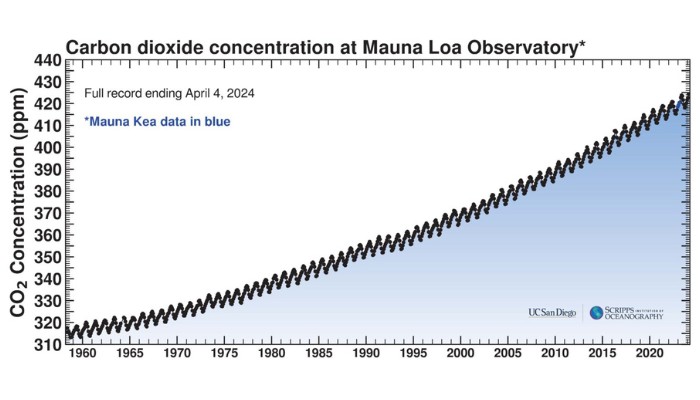
Why focus on 2020–2030? Because every tonne avoided now is more valuable for climate than a tonne avoided in 2040 (cumulative CO₂ matters).
III. Scope of Emissions Covered (Scope 1, 2, 3)
We saw how some pledges exclude major categories of emissions. A net-zero claim that omits Scope 3, which can be the majority of emissions for many businesses… is fundamentally incomplete.
For a fossil fuel company, Scope 3 (use of product) is ~85-95% of total climate impact. For an automaker, tailpipe emissions from cars (Scope 3) are ~70-80% of life-cycle emissions of their vehicles. For retail and apparel, supply chain (manufacturing, materials – Scope 3) is the lion’s share. Only for some industries (like tech companies that mostly consume electricity, or heavy industries where Scope 1 direct emissions are primary) is Scope 3 less critical.
A company that says “net zero (Scopes 1 & 2) by 2030” but ignores supply chain is not solving the problem, just addressing the tip of the iceberg. This is why the Science Based Targets Net-Zero Standard requires companies to cover 90%+ of their emissions in the target.
IV. Verification, Reporting and Governance
Net-zero goals must be backed by transparent plans and third-party verification to be credible. Many entities now seek approval of their targets from bodies like the Science Based Targets initiative (SBTi), which checks alignment with the Paris trajectory. Those who have validated targets (e.g. hundreds of companies by 2025) at least have put their numbers to the test. But even SBTi has been criticized for allowing some leniency.
There’s also the UN’s Race to Zero campaign criteria, which set minimum standards (no misleading offsets, short-term action etc.). Some corporate alliances require members’ plans to meet these criteria. If a company is part of such an initiative, that boosts confidence somewhat.
Independent assessments like Climate Action Tracker for countries or Climate Accountability reports for companies also bolster credibility by highlighting gaps.
Covering Up
The world’s current trajectory is not yet aligned with net-zero by mid-century. Achieving the net-zero vision will require a rapid escalation of efforts in this decade, the “critical decade”. Every delay shifts more burden to future years and increases reliance on unproven negative emissions later.
If the next 5-10 years see emissions still flat or rising, then many net-zero pledges for 2050 will become practically impossible or meaningless because exceeding carbon budgets would lock-in warming that net zero in 2050 can’t undo (unless net negative thereafter, which is even more challenging).
However, net-zero pledges are not futile. They have driven a wave of planning, innovation, and some policy (like net-zero laws). The key is to hold actors accountable to implement them.
To avoid “net zero” becoming a byword for greenwash, governments and regulators likely will impose standards: e.g., requiring companies to publish transition plans detailing how they’ll reach net zero, as the UK has proposed; or making net-zero pledges part of fiduciary duties for financial institutions.
If not, by the 2030 global stocktake we will be forced to conclude that “net zero” was, in too many cases, just “net nothing.” The planet’s atmosphere deals in hard physics, either emissions come down or they don’t. Net-zero claims, no matter how artfully worded or widely advertised, will ultimately be judged by that measure alone. As of now, we are not yet bending the emissions curve decisively downward.